AI healthcare company Lunit has entered into a research agreement with Summit Therapeutics to explore how artificial intelligence can support cancer drug development through advanced pathology analysis.
The collaboration will evaluate Lunit’s SCOPE IO platform to analyse tumour microenvironments in support of Summit’s immuno-oncology development programmes involving ivonescimab, an investigational cancer treatment.
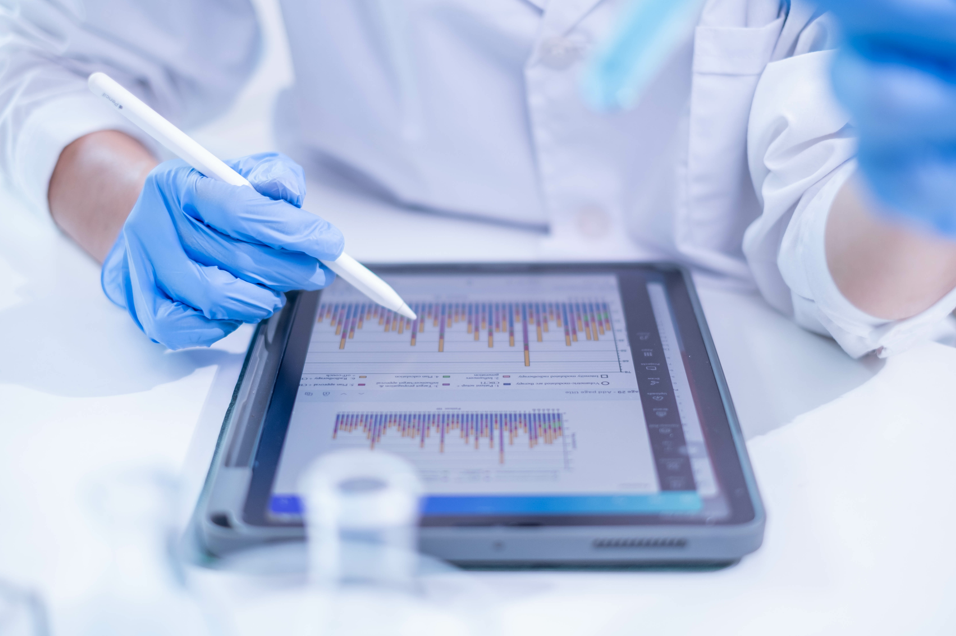
The research will use AI-powered analysis of digitised pathology slides to identify characteristics within tumour tissue that could provide new insights into how patients respond to treatment.
Applying AI to cancer research
Lunit SCOPE IO uses artificial intelligence to analyse haematoxylin and eosin (H&E) stained whole-slide images, enabling researchers to examine features of the tumour microenvironment, including immune cell distribution, tissue architecture and interactions between tumour cells and surrounding tissue.
The companies aim to investigate how this technology could contribute to biomarker discovery, patient selection and a better understanding of the biological factors influencing responses to cancer therapies.
Unlike conventional manual pathology assessment, AI-powered analysis offers the potential to evaluate large volumes of tissue images consistently while extracting detailed quantitative and spatial information.
The approach could provide pharmaceutical researchers with additional information from routinely collected tissue samples without requiring further staining procedures or assays.
Supporting immuno-oncology development
Summit Therapeutics is developing ivonescimab, an investigational bispecific antibody targeting PD-1 and VEGF, for use across several solid tumour types.
Through the research agreement, the companies will explore how computational pathology could support the ongoing development of the treatment by generating insights into tumour biology and potential biomarkers.
Allen Yang, Chief Research and Development Strategy Officer at Summit Therapeutics, highlighted the growing importance of understanding the tumour microenvironment as cancer therapies become more complex.
Lunit CEO Brandon Suh also emphasised the potential of AI-powered pathology to help pharmaceutical researchers better understand differences in treatment responses between patients.
Expanding the role of AI in pharmaceutical research
The agreement reflects the increasing use of artificial intelligence to process complex medical data and support research workflows.
By transforming information from conventional pathology images into structured, quantitative data, AI systems could provide researchers with additional tools for investigating treatment responses and developing biomarker strategies.
The companies expect their work to inform future translational research and clinical development planning.
However, the collaboration remains at the research stage, with no new clinical outcome data announced. Lunit SCOPE products are intended for research use only and are not approved for diagnostic decisions.